
If you’re running a small business in 2026, you already know the hustle is real. Customers move fast, competition moves faster, and trying to keep track of leads on sticky notes or random spreadsheets? Yeah… that ship has sailed.
Today’s entrepreneurs need tools that are smart, affordable, and actually useful—and that’s where the right small business CRM steps in.
The good news? You don’t need corporate-level money to get a CRM system that genuinely works. Plenty of budget-friendly, powerhouse options are helping small teams stay organized, boost sales, and deliver customer service that feels top-tier.
Below are the CRMs that small business owners actually rely on—no fluff, no hype, just solutions that get things done.
Why a CRM Matters More Than Ever for Small Businesses?
A dependable small business CRM keeps everything in one place—customer info, sales activity, emails, pipelines, automated reminders, you name it.
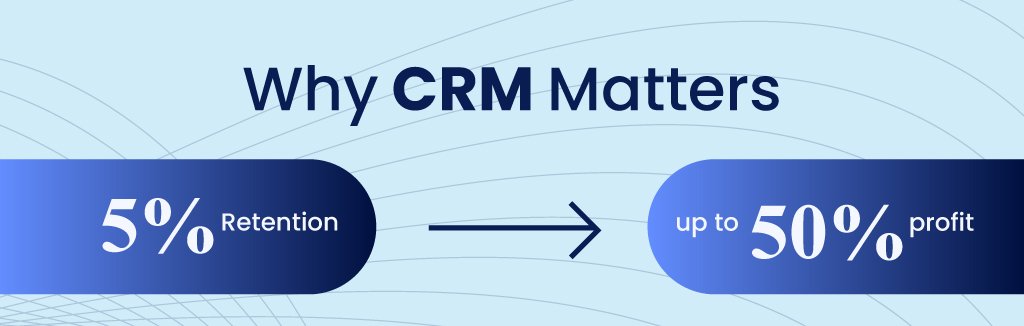
Instead of scrambling to remember who you were supposed to call back, your CRM taps you on the shoulder and says, “Hey, don’t forget this lead—they’re ready to buy.”
In today’s fast-moving market, the right small business CRM isn’t just software… It’s a backup.
Top CRM Options That Deliver Big Results for Small Teams
1. HubSpot CRM – Free, Reliable, and Perfect for Beginners
HubSpot is one of the best small business CRM startups thanks to its free plan packed with email tracking, tasks, pipelines, and scheduling.
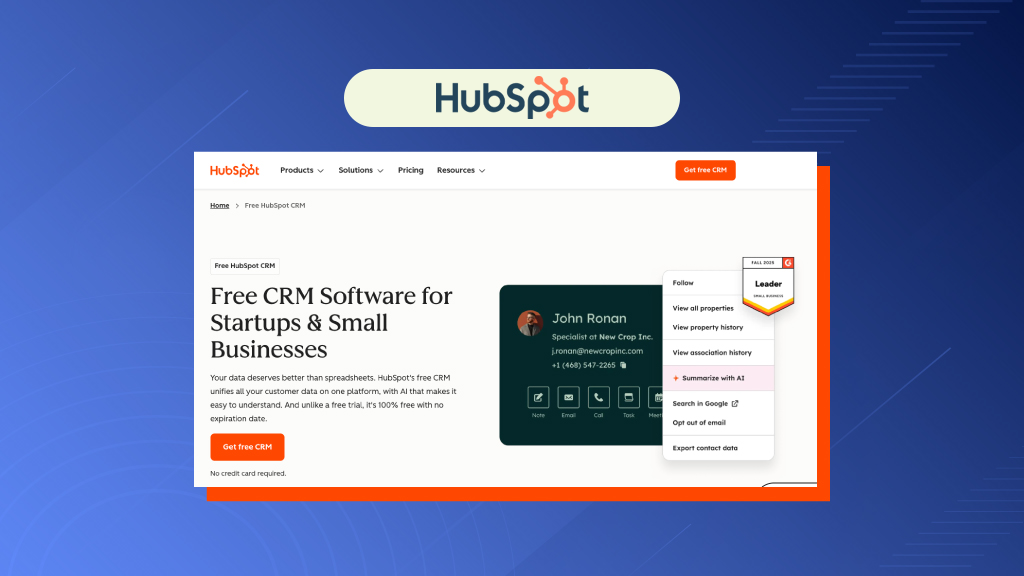
A dog-grooming shop in Utah used HubSpot’s automated reminders to reduce missed appointments by 45%.
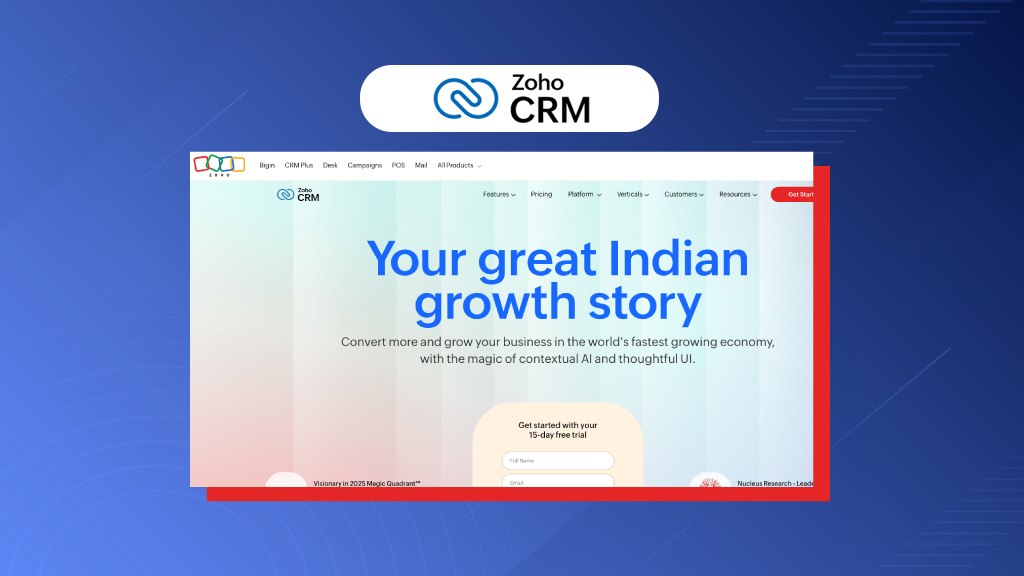
2. Zoho CRM – Feature-Rich With a Small Price Tag
Zoho brings workflow automation, lead scoring, and analytics without the heavy cost. A mobile bike repair service in Seattle used Zoho’s workflows to automate service follow-ups, increasing repeat customers by 30%.
3. Bigin by Zoho – Pipeline-Focused CRM Made for Tiny Teams
Bigin is a simpler, lighter, more affordable version of Zoho designed for micro-businesses and solopreneurs.
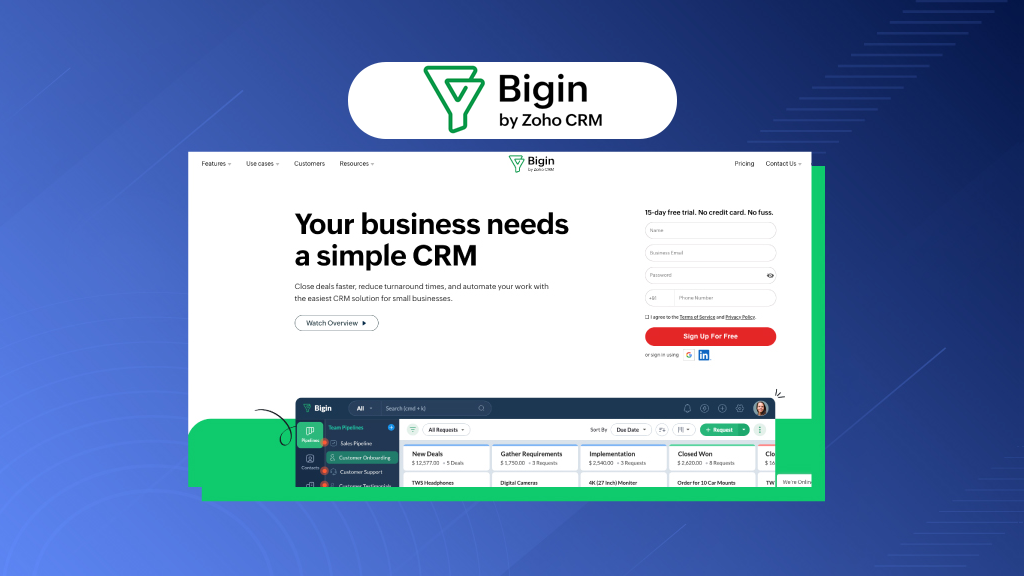
A handmade crafts seller in Texas used Bigin to organize Etsy and Instagram orders in one pipeline—cutting response delays by 60%.
4. Salesforce Essentials – Enterprise Power, Small Business Simplicity
Salesforce Essentials gives small businesses access to Salesforce’s well-known tools without overwhelming complexity.
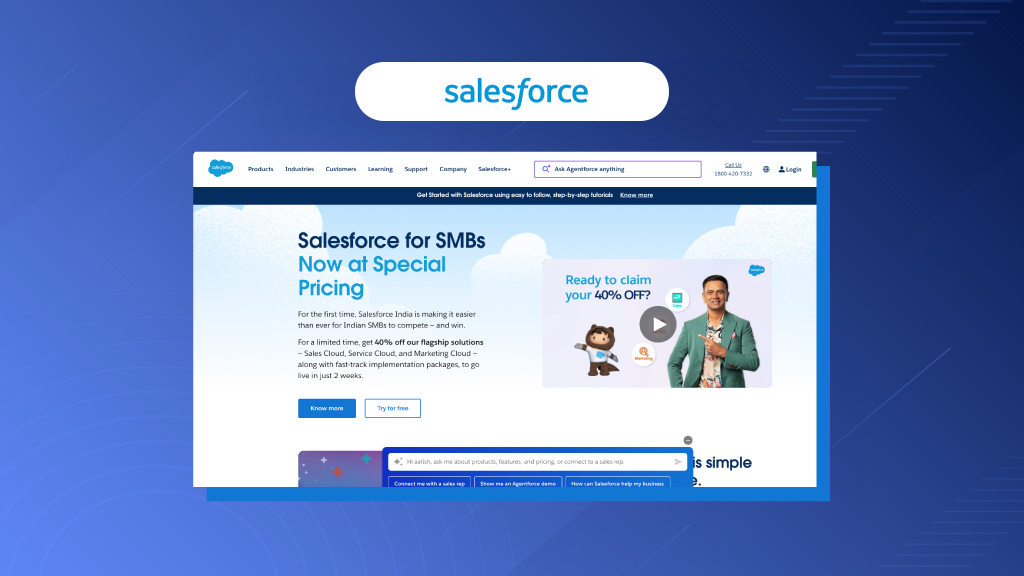
A commercial cleaning company in Detroit used Salesforce to track technician visits and customer feedback, boosting repeat contracts significantly.
5. Pipedrive – Sales-Focused CRM for Teams That Hustle
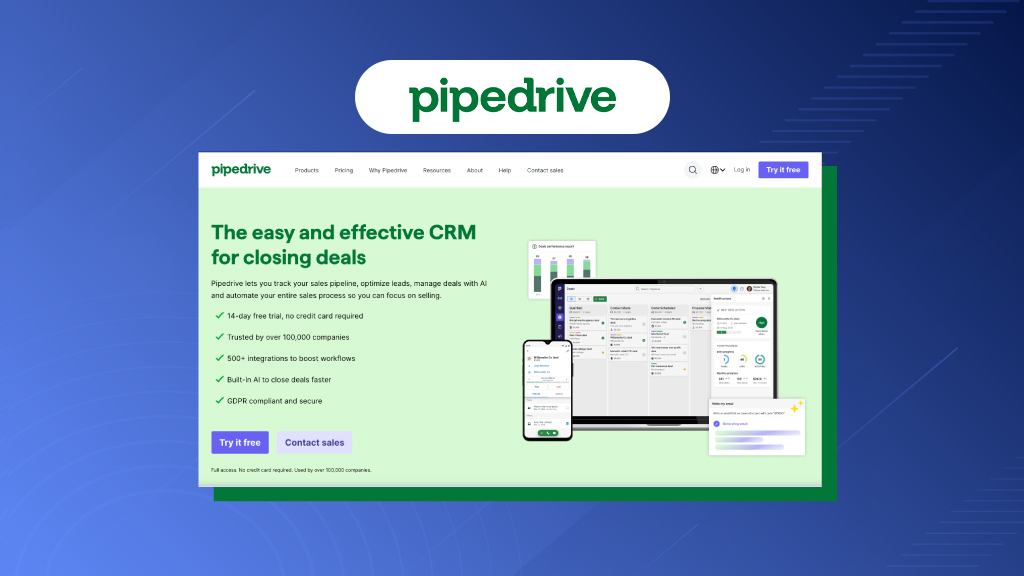
Pipedrive is perfect for businesses that want a visual, no-nonsense pipeline tool. A small insurance brokerage in Miami used Pipedrive’s deal tracking to shorten their sales cycle by nearly 25%.
6. Mailchimp CRM – Ideal for Email-Heavy Businesses
Mailchimp isn’t just email marketing anymore—its CRM tools help you organize contacts, tag leads, and send targeted campaigns.
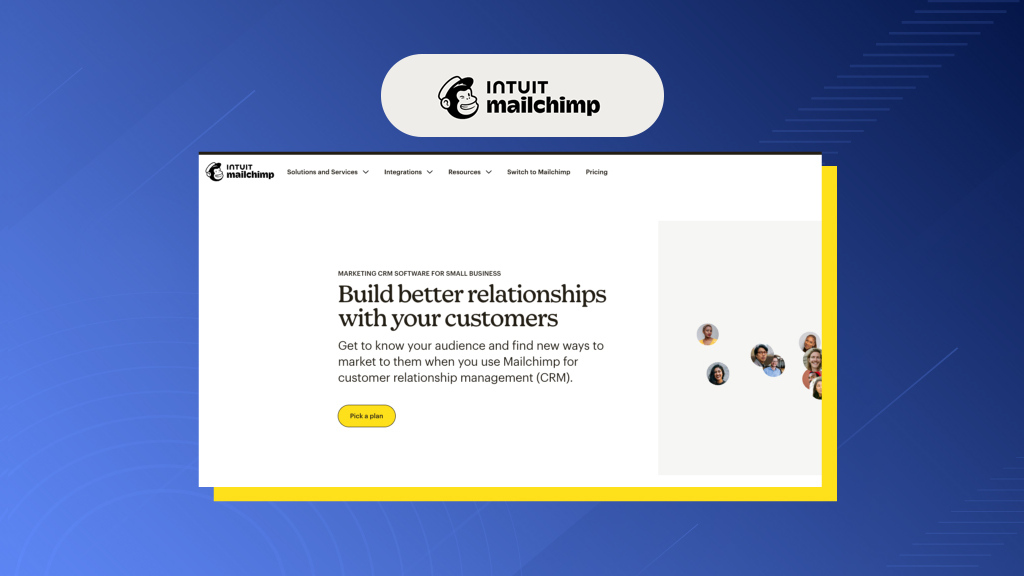
A local coffee roaster in Portland used Mailchimp to segment customers and launch monthly promos—doubling online sales in eight weeks.
Conclusion: The Right CRM Can Transform Your Business
At the end of the day, the best small business CRM isn’t the one with the most buttons—it’s the one you’ll actually use. The systems above are affordable, practical, and trusted by real small businesses nationwide.
And if you want something that’s designed for small business CRM owners, not giant corporations, Upwise Pro is absolutely worth a look. Call +1 (518) 250-9895 and get the support your business deserves.